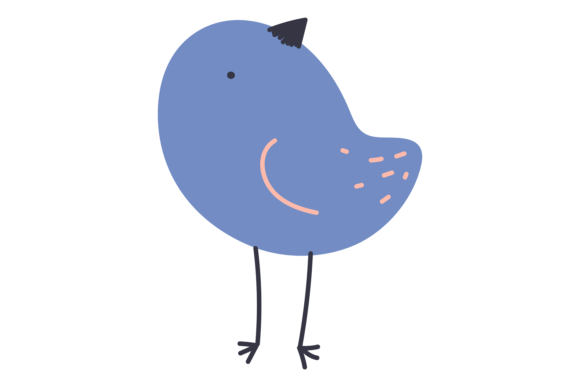
Cute Blue Bird. Funny Baby Animal Doodle: A Designer's Playful Asset
There are typefaces that command a boardroom, and then there are typefaces that make you want to grab a box of crayons. The Cute Blue Bird. Funny Baby Animal Doodle falls squarely into the latter category. This isn't a serious serif or a sterile sans serif. It's a burst of whimsy, a character-driven display font that brings a specific, joyful energy to any project it touches. For designers, marketers, and creators looking to inject personality and warmth, understanding how to leverage this unique asset is key to standing out.
Visual Style and Personality
At its core, this typeface is a handwritten font with a strong illustrative quality. The letterforms feel as if they were sketched with a cheerful, slightly wobbly line, mimicking the charming imperfections of a child's doodle or a quick, playful sketch. The "blue bird" element isn't just a name; it's a feeling. The characters often carry a sense of lightness and whimsy, with rounded terminals and a bouncy baseline that avoids rigidity. It's a creative font that prioritizes character over crisp, geometric precision.
The overall appeal lies in its ability to communicate approachability, fun, and innocence instantly. It doesn't whisper; it chirps. This makes it a powerful tool for projects targeting a younger demographic, or for any brand that wants to soften its message and appear more relatable and human. Think of it as the typographic equivalent of a friendly mascot—it's there to make people smile and feel at ease.
Where This Funny Baby Animal Doodle Shines
Knowing the font's personality is one thing; knowing where to deploy it is another. This is not a workhorse for body text. Its strength is in headline moments where personality is paramount.
- Children's Products & Branding: This is its natural habitat. Use it for toy packaging, kids' book titles, daycare center logos, or clothing tags. It aligns perfectly with the playful, nurturing identity these brands need.
- Social Media & Digital Content: In the scroll-stop world of social media, a funny baby animal doodle style font can make graphics, Instagram stories, or YouTube thumbnails pop. It’s perfect for quotes, announcements, or promotional graphics for family-oriented blogs and businesses.
- Personal Projects & Crafting: For hobbyists and crafters, it’s a gem. Think personalized birthday invitations, scrapbook embellishments, or custom stickers. Its isolated EPS and JPG formats on a white background make it easy to extract and use in digital crafting software.
- Event Branding: Baby showers, first birthdays, or playful community events can use this font for invitations, signage, and thank-you cards to create a cohesive, joyful atmosphere.
However, context is everything. Avoid using it for law firms, luxury brands, or serious corporate reports. Its strength is its specificity, and forcing it into a mismatched context will undermine its appeal and your project's credibility.
Making It Work: Practical Guidance for Creators
Adopting a premium font with this much personality requires a thoughtful strategy. Here’s how to integrate it effectively.
Evaluate Your Project's Fit
Before you even download, ask: Does my project's core message align with "playful, cute, and approachable"? If the answer is yes, proceed. If you're on the fence, consider using it for a single, isolated element—a sub-headline or a call-to-action button—rather than the primary logo or headline.
Master the Font Pairing
This is critical. Pairing a highly stylized display font like this with another decorative font is a recipe for visual chaos. The goal is balance and readability.
- With a Clean Sans Serif: The safest and most effective pairing. Use Cute Blue Bird for the main headline and a simple, geometric sans serif like Poppins or Lato for body text. This creates a clear visual hierarchy where the headline grabs attention and the body text delivers the information clearly.
- With a Neutral Serif: For a slightly more refined but still friendly look, pair it with a modern, readable serif like Merriweather or Lora. This works well for children's book titles where the chapter text needs a touch more elegance.
Test for Readability and Application
Always test the font at the size you intend to use it. What looks charming in a headline might become illegible at a small size in a caption. Check the clarity of each letterform, especially in words with similar-looking characters. For web design, ensure it renders well across browsers. For print design, print a test page to see how the ink interacts with the paper—its whimsical lines can sometimes bleed on lower-quality stock.
Review Licensing and Assets
Since this is a commercial font, verify the license covers your intended use—personal, commercial, print-on-demand, or digital products. The availability of formats like EPS (for vector editing in Illustrator) and JPG (for quick use) is a practical bonus, especially for designers who need to manipulate the artwork or use it as a standalone graphic element.
Consider Brand Perception and Consistency
Using this font is a strong stylistic choice. It will directly influence how your audience perceives your brand. It suggests creativity, approachability, and a focus on family or child-friendly themes. Ensure this aligns with your overall brand identity. If you use it, use it consistently in specific contexts to build recognition without diluting its impact.
In the vast landscape of modern typography, fonts like Cute Blue Bird. Funny Baby Animal Doodle serve a vital role. They are not for every job, but for the right one, they are indispensable design assets. They allow a brand to speak in a tone that is unmistakably human, joyful, and memorable. By understanding its strengths and applying it with strategic care, you can transform a simple project into something that genuinely connects and delights.